
By James Ballard
Date Published: June 21st, 2025
10 minutes

Introduction:
Ransomware has evolved into one of the most urgent cyber threats facing healthcare organizations worldwide. By infiltrating networks and encrypting critical data, cybercriminals can disrupt essential medical services, compromise patient privacy, and demand large ransom payments for the release of hijacked information. This in-depth look at ransomware in the healthcare sector examines why these attacks are so devastating, explores the alarming implications for patient care and data security, and provides actionable strategies for healthcare providers to strengthen their defenses.
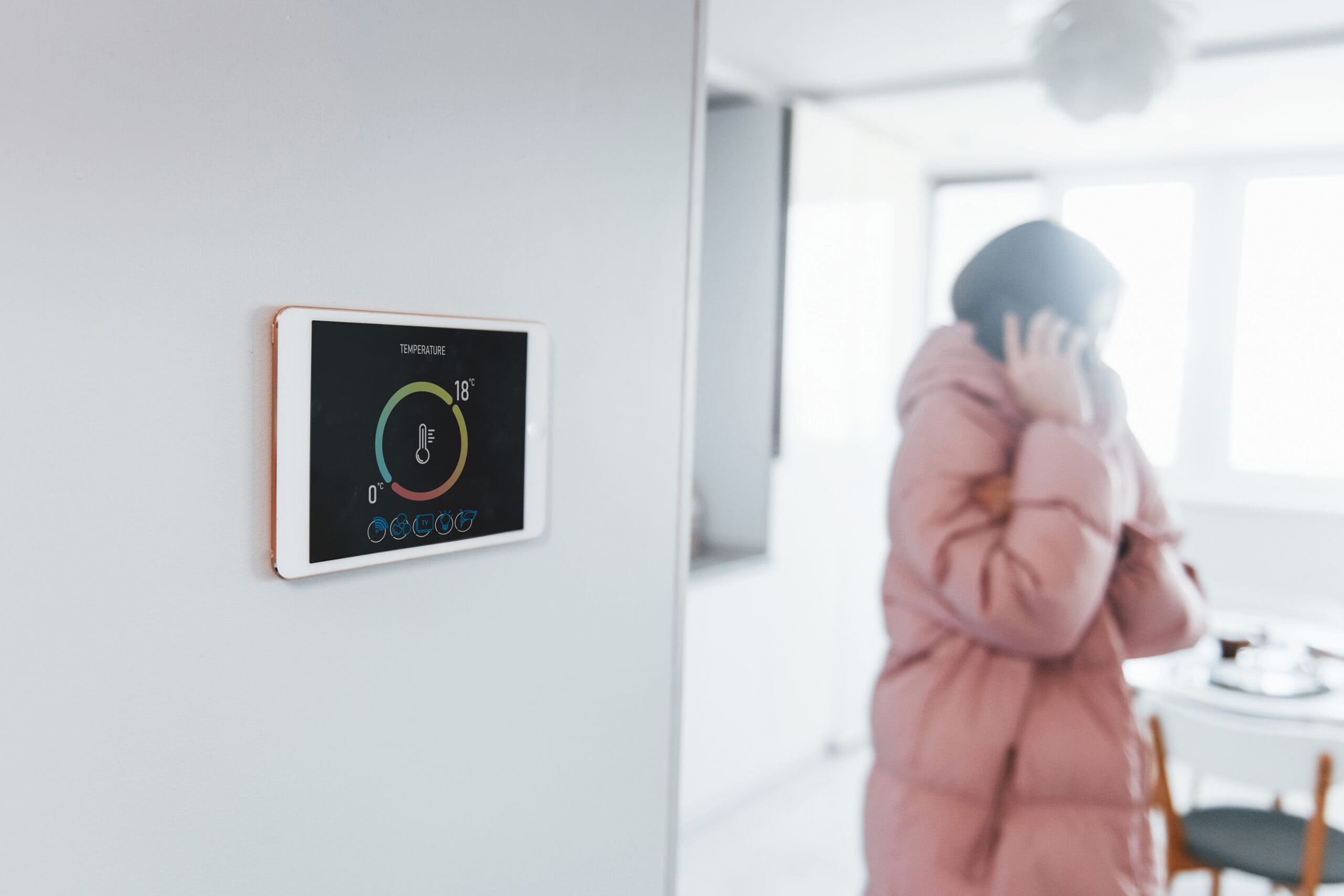
The Allure of Smart HVAC Systems
Smart HVAC systems offer numerous benefits:
- Energy Efficiency: Automated adjustments based on occupancy and usage patterns.
- Remote Management: Facility managers can monitor and control systems from anywhere.
- Data Analytics: Insights into energy consumption and system performance.
While these advantages are compelling, they come with inherent cybersecurity risks that are often underestimated.
Real-World Incidents Highlighting the Risks
1. Target's Data Breach via HVAC Vendor
In 2013, retail giant Target suffered a massive data breach compromising 40 million credit and debit card records. The attackers gained access through network credentials stolen from a third-party HVAC vendor. This incident underscores how interconnected systems can serve as entry points for cyberattacks.
2. Bosch Smart Thermostat Vulnerability
A vulnerability in Bosch's BCC101, BCC102, and BCC50 smart thermostats allowed attackers to send commands and replace firmware via the device's Wi-Fi microcontroller. This flaw, identified as CVE-2023-49722, was patched in version 4.13.33, but it highlights the potential for remote exploitation of smart HVAC devices.
3. Casino Aquarium Thermometer Hack
In a notable case, attackers infiltrated a casino's network through an internet-connected aquarium thermometer. Once inside, they accessed high-roller databases, demonstrating how even seemingly innocuous devices can pose significant security threats.
Common Vulnerabilities in Smart Thermostats
- Default Credentials
Many IoT devices, including smart thermostats, come with default usernames and passwords. Failure to change these credentials makes them susceptible to unauthorized access. - Insecure Communication Protocols
Some devices transmit data without encryption, allowing attackers to intercept and manipulate information. Protocols like MQTT, if not properly secured, can be exploited to inject malicious commands. - Lack of Regular Updates
Manufacturers may not provide timely firmware updates, leaving devices exposed to known vulnerabilities. Without a secure update mechanism, patching these flaws becomes challenging. - Integration with Building Management Systems (BMS)
Smart thermostats often integrate with BMS, which control various building functions. A compromised thermostat can serve as a gateway to more critical systems, amplifying the potential damage.
The Importance of Network Segmentation
To mitigate risks, organizations should implement network segmentation, isolating IoT devices from critical systems. This approach limits an attacker's ability to move laterally within the network.
Best Practices for Network Segmentation:
- Create Separate VLANs: Assign IoT devices to their own virtual LANs, distinct from corporate networks.
- Implement Firewalls: Control traffic between segments using firewalls with strict access rules.
- Monitor Traffic: Use intrusion detection systems to monitor communication between segments for anomalies.
- Limit Internet Exposure: Restrict IoT devices' access to the internet unless necessary, reducing potential attack vectors.
"Many IoT devices, including smart thermostats, come with default usernames and passwords. Failure to change these credentials makes them susceptible to unauthorized access."
Conducting IoT-Specific Penetration Testing
Regular penetration testing tailored to IoT devices can identify vulnerabilities before they are exploited. This process involves:
- Threat Modeling: Understanding potential attack vectors specific to IoT devices.
- Firmware Analysis: Examining device firmware for hardcoded credentials or insecure code.
- Protocol Testing: Assessing communication protocols for encryption and authentication weaknesses.
- Physical Security Evaluation: Ensuring devices are protected against unauthorized physical access.
Engaging third-party experts can provide an unbiased assessment and recommendations for remediation.
Recommendations for Securing Smart Thermostats
- Change Default Credentials: Immediately update usernames and passwords upon installation.
- Regularly Update Firmware: Stay informed about manufacturer updates and apply patches promptly.
- Disable Unused Features: Turn off unnecessary services or ports to reduce the attack surface.
- Implement Access Controls: Restrict who can access and configure devices, using role-based permissions.
- Monitor Device Activity: Use logging and monitoring tools to detect unusual behavior or access patterns.
- Educate Staff: Train employees on the importance of IoT security and best practices.
Start working with our cybersecurity experts.
Conclusion: Proactive Measures for a Secure Future
As commercial buildings become smarter, the integration of IoT devices like smart thermostats offers numerous benefits. However, these devices also introduce new cybersecurity risks that must be proactively managed. By understanding the vulnerabilities, implementing robust network segmentation, conducting regular penetration testing, and following best practices for device security, organizations can safeguard their building management systems against potential threats.